Introduction: The development of full-thickness human skin models that accurately replicate all three structural layers of human skin—epidermis, dermis, and hypodermis—continue to be pushed forward. Traditionally, 3D skin models used for research and development focused only on the epidermis or epidermis/dermis combinations, often overlooking the hypodermis. Earlier this year though, we covered how WFIRM published in Science on the implantation results of a 3 layered bioprinted skin model. And now a recent paper by published in Communications Biology presents further work on the development of a 3D bioprinted full-thickness skin model incorporating the hypodermis layer, bringing us closer to realistic skin mimetics particularly for in vitro studies.
Why the Hypodermis Matters: The hypodermis, or subcutaneous layer, is much more than a cushioning layer. It actively influences immune responses, skin hydration, and even gene expression, impacting all skin layers. Incorporating this layer into skin models allows researchers to better mimic human skin physiology, offering an advanced alternative to animal testing in dermatology, cosmetics, and toxicology studies.
3D Bioprinting Human Skin Equivalent with Hypodermis (HSEH): Researchers utilized 3D bioprinting to construct a layered skin model that mimics native skin architecture. Using a collagen-based matrix embedded with primary human keratinocytes, fibroblasts, and adipocytes, they achieved a highly organized structure. Through transcriptome analysis, the research highlights the hypodermis’s role in regulating gene expression, impacting vital skin processes like hydration, differentiation, and structural integrity.
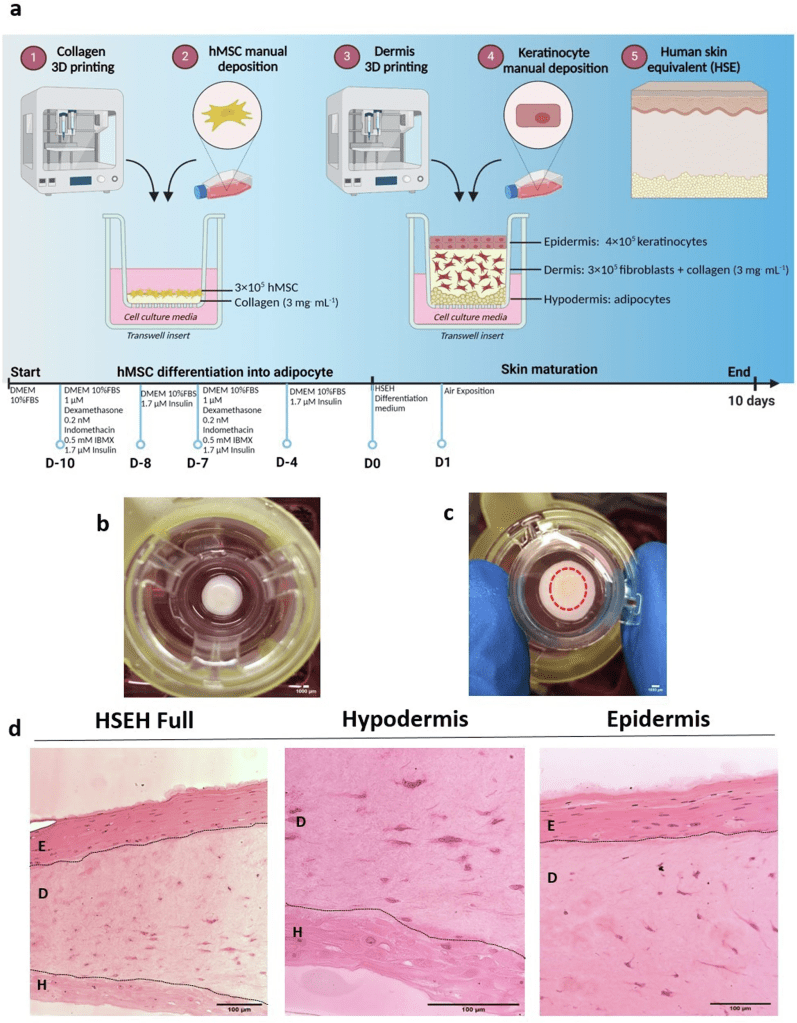
Fig. 1 Morphological characterization of the bioprinted human skin equivalent with hypodermis (HSEH) credited from original paper.
Innovative Findings:
- Mechanical and Structural Properties: The collagen matrix serves as the extracellular scaffold for cell adhesion and proliferation, exhibiting desirable pseudoplastic properties, which help maintain the structural integrity of the printed construct.
- Enhanced Epidermal-Dermal Interactions: Adding the hypodermis enhanced dermal-epidermal junction quality, essential for barrier function and cellular differentiation.
- Gene Expression and Skin Functionality: Gene ontology analysis revealed upregulation of genes related to extracellular matrix (ECM) organization, lipid metabolism, and keratinocyte differentiation, all pointing to the hypodermis’s regulatory influence on skin’s structural and functional characteristics.
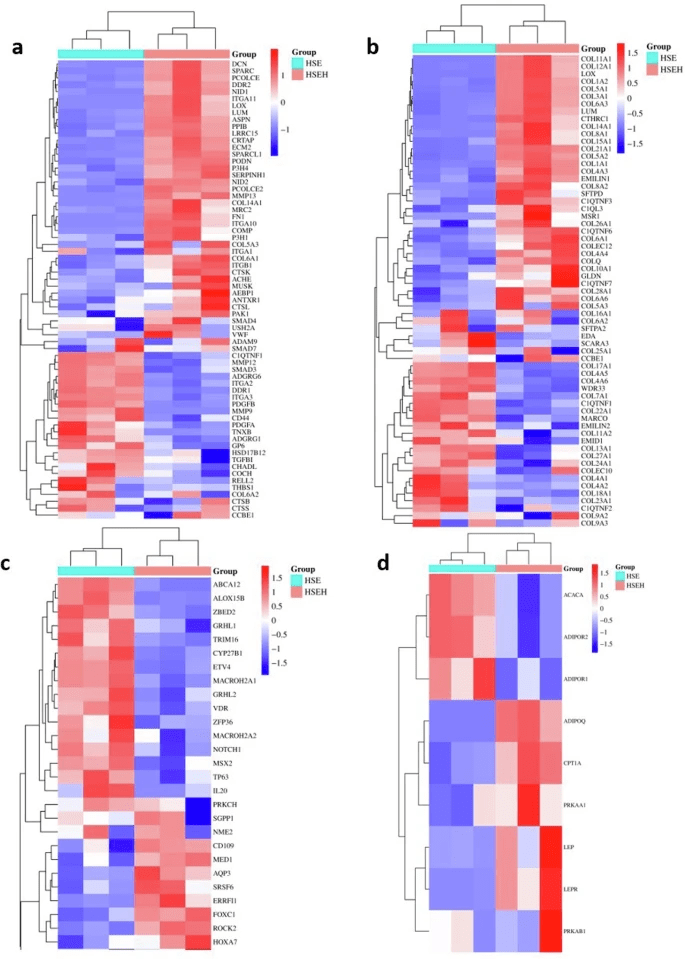
Fig. 2 Heat map of the enrichment analysis credited from original paper.
The Bigger Picture: The development of a full-thickness, bioprinted skin model with hypodermis offers a high-throughput, reproducible platform to explore skin physiology and test products without relying on animal models. It aligns with the 3Rs principle—Replacement, Reduction, and Refinement—moving toward humane and ethically responsible research. Moreover, its potential for scaling can advance the application of humanized skin models in pharmaceutical, dermatological, and cosmetic industries. And the authors here particularly relate here how the microtissue structure plays a role down to the gene ontology of the models, which is a great correlation for further disease research.
Future Applications: The HSEH model is poised to enhance research in skin disorders, wound healing, and skin care innovation, providing an ethically sound, cost-effective, and highly accurate alternative to animal models.
This research underscores the importance of the hypodermis in creating comprehensive, functional skin models. By advancing bioprinted skin technologies, researchers are equipping science with sophisticated tools for exploring skin physiology and developing treatments in a humane, efficient, and highly accurate manner.
More can be found from the original paper here.




 The Business of Biofabrication
Leave a comment