NEWS
LATEST




FULL LIST
-
United Therapeutics Breaks New Ground with FDA-Cleared Xenotransplantation Trial
The field of organ transplantation is on the cusp of a advancement, with United Therapeutics (NASDAQ: UTHR) achieving a new milestone in xenotransplantation. The U.S. Food and Drug Administration (FDA) has cleared the company’s Investigational New Drug (IND) application for its UKidney™ clinical trial, marking the first-ever human trial of a xenokidney designed for potential…
-

Handheld Bioprinting with Kombucha-Based Bioink
The world of bioprinting is evolving rapidly, and a recent study published in the International Journal of Biological Macromolecules from Dr. Insup Noh Lab at Seoul Tech introduces a novel approach that could revolutionize the field: a handheld bioprinting system using kombucha-derived nanocellulose bioink. This innovative method offers promise for regenerating irregular and multilayered tissue defects…
-

Time Code: Improved Printing Code for 3D Bioprinting
Introduction The field of bioprinting has made strides in recent years. However, despite advances in multifunctional 3D printheads, the standard G-Code used for print path execution presents a significant limitation: it forces interruptions in the print process whenever auxiliary controls, such as material switching or UV curing, are required. This leads to defects, reduced precision,…
-

MEDELLAPRO®: Endotoxin-Controlled Bioprinting Materials
The bioprinting industry is advancing, with new materials playing a critical role in pushing the boundaries of regenerative medicine, tissue engineering, and biomedical innovation. One of the latest breakthroughs comes from GELITA, which has introduced MEDELLAPRO®, an endotoxin-controlled gelatin designed specifically for 3D bioprinting, cell culturing, and medical implants. This high-purity biomaterial offers safety, biocompatibility,…
-
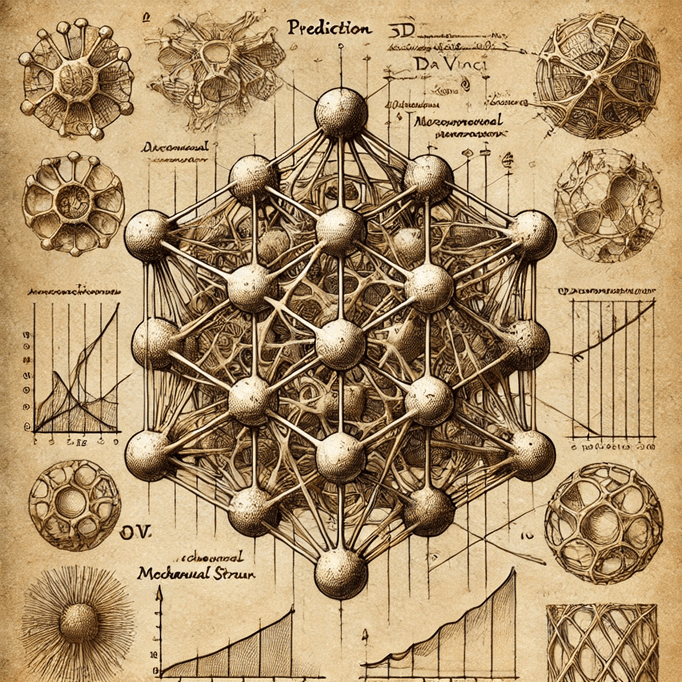
Further Unlocking the Potential of 4D Bioprinting for Heart Tissue Engineering
4D Bioprinting: Not a New Concept, But What Makes This Study Unique? The concept of 4D bioprinting—creating printed constructs that transform over time—has been around for over a decade. However, recent work, in Advanced Functional Materials out of Andrew Daly’s lab, are pushing the boundaries of this technology by integrating cell biology, computational modeling, and…
-
Aspect Biosystems Secures $115M Series B to Advance Bioprinted Tissue Therapeutics
Aspect Biosystems, a biotechnology leader in bioprinted tissue therapeutics, has announced the successful close of a $115 million Series B funding round. The financing, led by Dimension—a firm specializing in technology and life sciences—featured contributions from a diverse group of investors, including Novo Nordisk, Radical Ventures, InBC, and others. This round marks a significant step…
-

Stanford Open Source 3D Extrusion Bioprinter By Mark Skylar-Scott Lab
3D bioprinting has the potential to become as commonplace as PCR machines or FDM 3D printers—accessible, modular, and easy to use. Recognizing this potential, Mark Skylar-Scott and his team have developed The Printess, a new printer featured in their latest paper in Advanced Materials. Designed for engineers, scientists, and educators, The Printess is a $250…
-

JOIN C-STARS: Exploring the Future of Space BioFabrication and Manufacturing
The space economy is on the brink of transformation, with the global market expected to surpass $1 trillion by 2030. At the forefront of this change is the Center for Science, Technology, and Advanced Research in Space (C-STARS), a groundbreaking initiative set to redefine space manufacturing and exploration. Vision and Mission of C-STARS C-STARS aims…
-

EpiBone Secures Funding Convertible Note to Drive Global Expansion of Clinical Trials
EpiBone, Inc., a regenerative medicine company specializing in skeletal reconstruction, has completed a convertible note funding round led by Kendall Capital Partners, with participation from LifeSpan Vision Ventures, EMV Capital plc, and other strategic investors. The specific amount raised in this round has not been disclosed. However, prior to this funding, EpiBone had secured approximately…
-
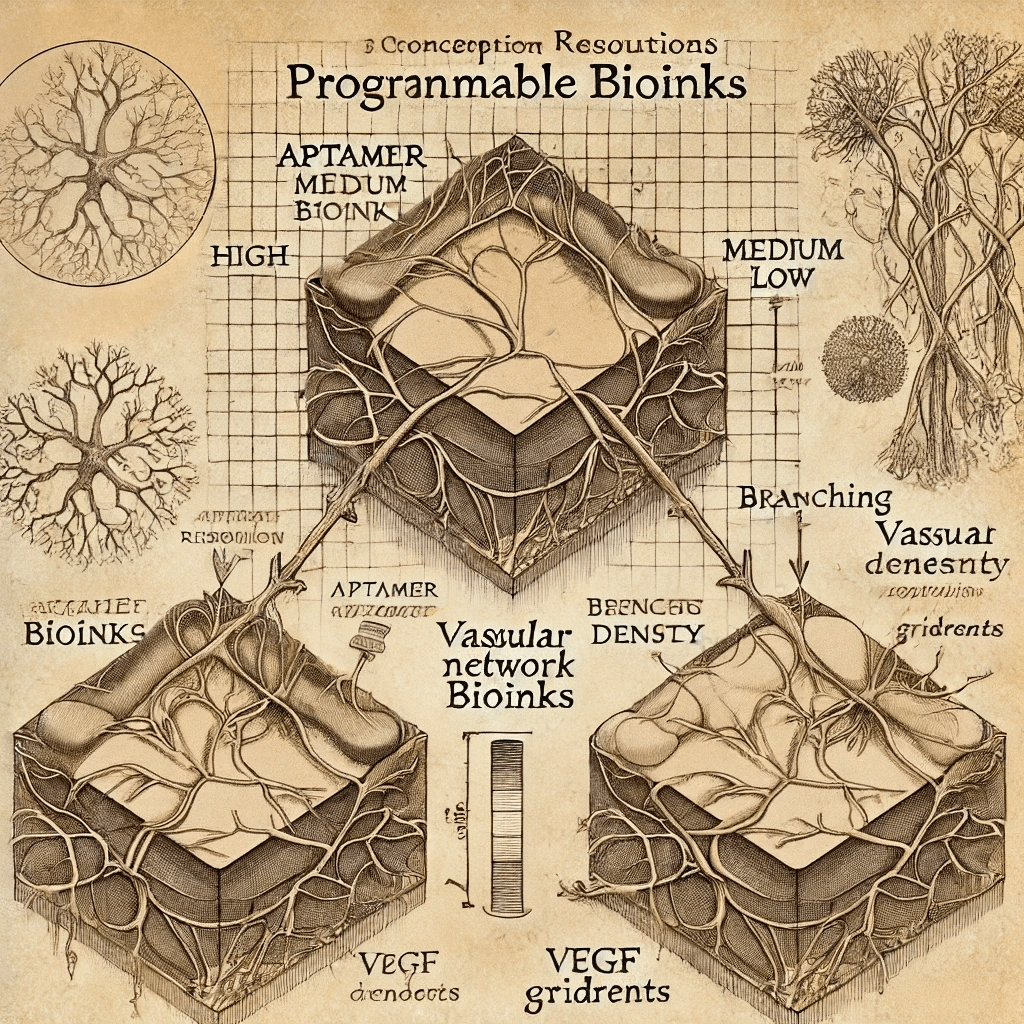
Engineering the Future of Vascularized Tissues: Programmable Bioinks Take Center Stage
In tissue engineering, the development of functional vascular networks remains one of the greatest challenges. Vascularization—the formation of blood vessel networks—is essential for delivering nutrients, oxygen, and waste removal in any tissue construct intended for clinical use. A recent study, published in Advanced Healthcare Materials, introduces an approach that leverages programmable bioinks to assort vascular…
Subscribe
Enter your email below to receive updates.
 The Business of Biofabrication