RESEARCH
LATEST


FULL LIST
-
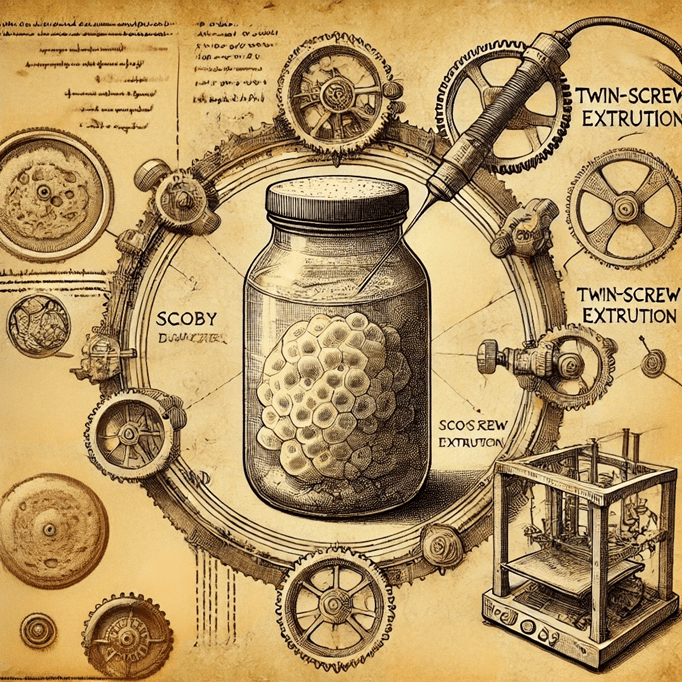
Handheld Bioprinting with Kombucha-Based Bioink
The world of bioprinting is evolving rapidly, and a recent study published in the International Journal of Biological Macromolecules from Dr. Insup Noh Lab at Seoul Tech introduces a novel approach that could revolutionize the field: a handheld bioprinting system using kombucha-derived nanocellulose bioink. This innovative method offers promise for regenerating irregular and multilayered tissue defects…
-

Time Code: Improved Printing Code for 3D Bioprinting
Introduction The field of bioprinting has made strides in recent years. However, despite advances in multifunctional 3D printheads, the standard G-Code used for print path execution presents a significant limitation: it forces interruptions in the print process whenever auxiliary controls, such as material switching or UV curing, are required. This leads to defects, reduced precision,…
-

MEDELLAPRO®: Endotoxin-Controlled Bioprinting Materials
The bioprinting industry is advancing, with new materials playing a critical role in pushing the boundaries of regenerative medicine, tissue engineering, and biomedical innovation. One of the latest breakthroughs comes from GELITA, which has introduced MEDELLAPRO®, an endotoxin-controlled gelatin designed specifically for 3D bioprinting, cell culturing, and medical implants. This high-purity biomaterial offers safety, biocompatibility,…
-
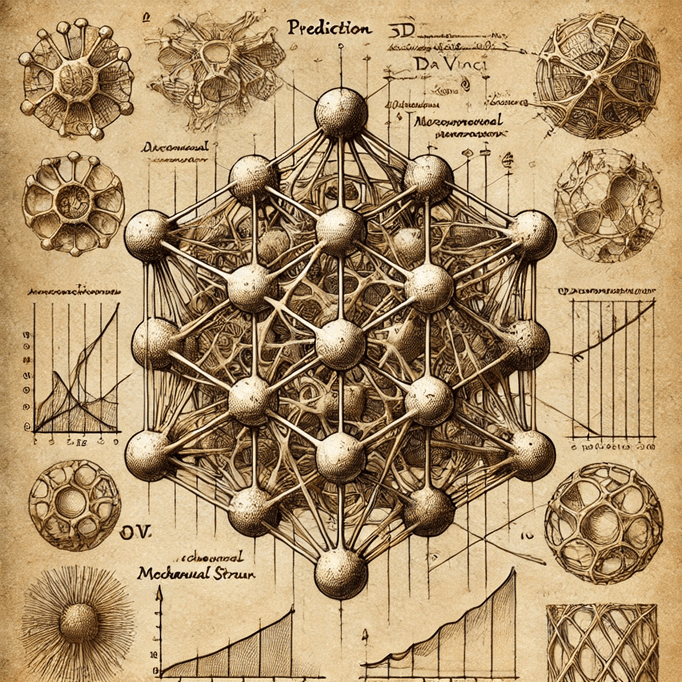
Further Unlocking the Potential of 4D Bioprinting for Heart Tissue Engineering
4D Bioprinting: Not a New Concept, But What Makes This Study Unique? The concept of 4D bioprinting—creating printed constructs that transform over time—has been around for over a decade. However, recent work, in Advanced Functional Materials out of Andrew Daly’s lab, are pushing the boundaries of this technology by integrating cell biology, computational modeling, and…
-

JOIN C-STARS: Exploring the Future of Space BioFabrication and Manufacturing
The space economy is on the brink of transformation, with the global market expected to surpass $1 trillion by 2030. At the forefront of this change is the Center for Science, Technology, and Advanced Research in Space (C-STARS), a groundbreaking initiative set to redefine space manufacturing and exploration. Vision and Mission of C-STARS C-STARS aims…
-
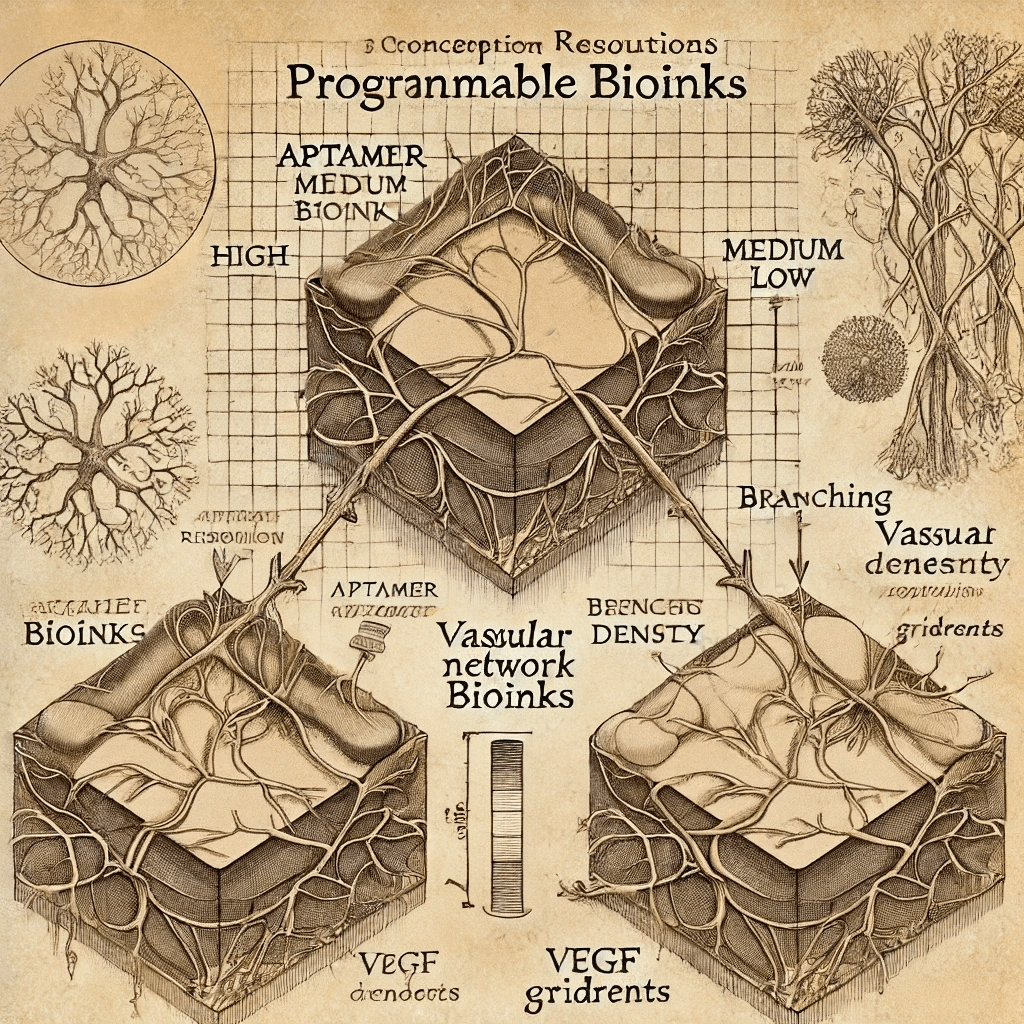
Engineering the Future of Vascularized Tissues: Programmable Bioinks Take Center Stage
In tissue engineering, the development of functional vascular networks remains one of the greatest challenges. Vascularization—the formation of blood vessel networks—is essential for delivering nutrients, oxygen, and waste removal in any tissue construct intended for clinical use. A recent study, published in Advanced Healthcare Materials, introduces an approach that leverages programmable bioinks to assort vascular…
-
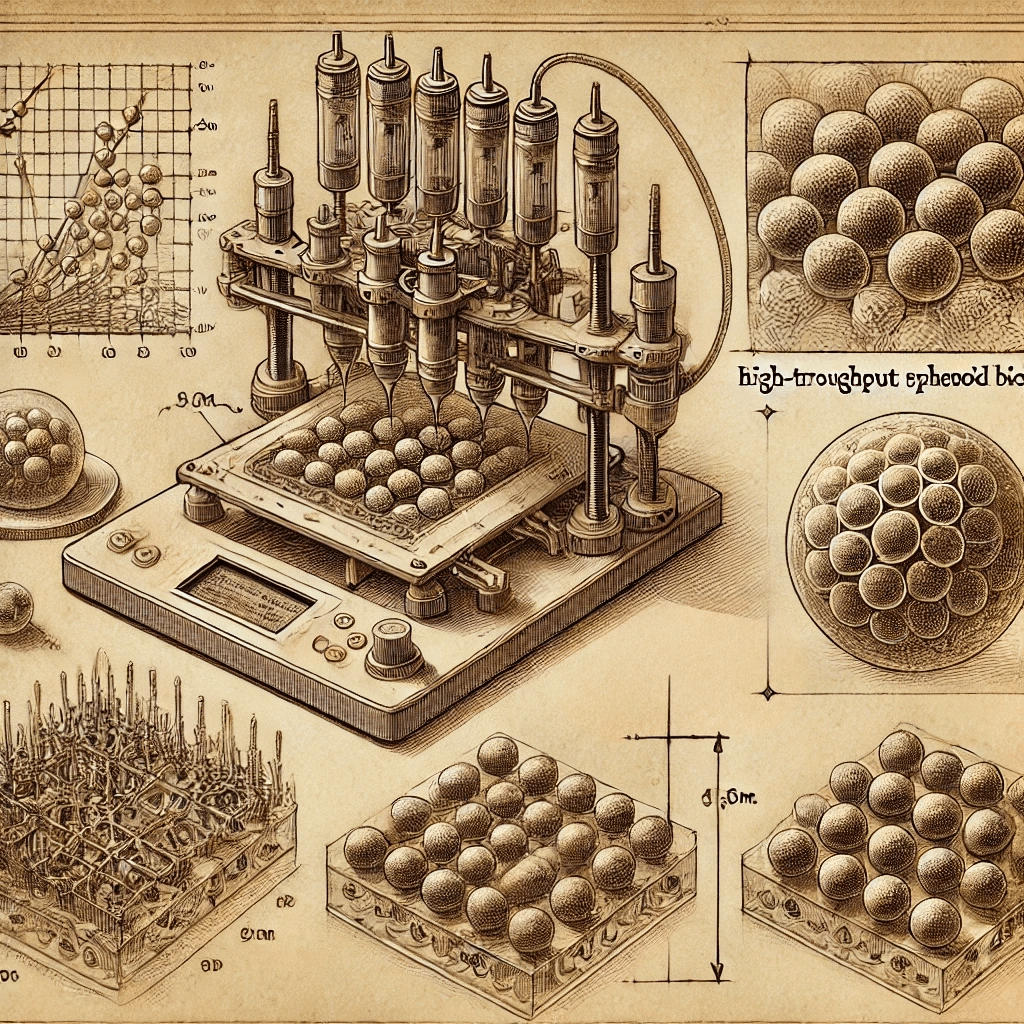
HITS-Bio: High-Throughput Bioprinting for Scalable Tissue Fabrication
HITS-Bio (High-throughput Integrated Tissue Fabrication System for Bioprinting), develop from Dr. Ibrahim Ozbolat’s lab, has emerged as a system that integrates advanced digitally-controlled nozzle arrays (DCNA) to enable rapid, scalable bioprinting of tissue spheroids with improved accuracy and speed. The HITS-Bio PlatformHITS-Bio leverages a multi-array nozzle system, the platform achieves: Improved Speed: Bioprinting rates that…
-
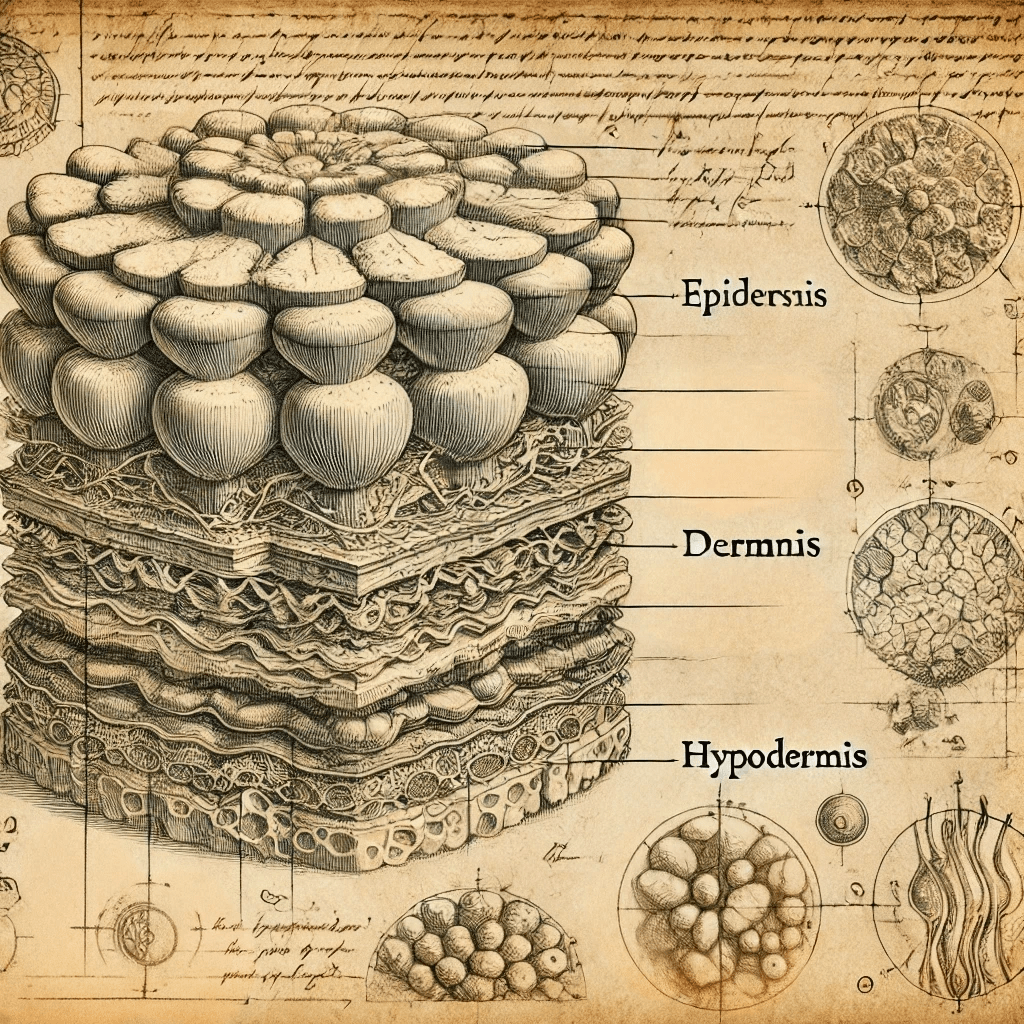
Unveiling the Impact of Hypodermis on Gene Expression in 3D Bioprinted Skin Models
Introduction: The development of full-thickness human skin models that accurately replicate all three structural layers of human skin—epidermis, dermis, and hypodermis—continue to be pushed forward. Traditionally, 3D skin models used for research and development focused only on the epidermis or epidermis/dermis combinations, often overlooking the hypodermis. Earlier this year though, we covered how WFIRM published…
-

Bioprint FirstAid: In Situ Bioprinting In Space to Benefit Earth and Beyond
The “Bioprint FirstAid,” is a new handheld in situ bioprinter designed for first-aid wound treatment in space. This device, a project by the German Space Agency in collaboration with OHB System AG and Technische Universität Dresden, printed objects both on earth and actually on the space station. The fact that they did printing in space…
-

Exploring Dynamic Interface Printing: A New Approach to Rapid 3D Printing in Biofabrication
3D printing has come a long way since its beginnings, but the field is still rapidly evolving. A new technique called Dynamic Interface Printing (DIP) recently published in Nature brings a fresh approach to printing complex, centimeter-sized 3D structures in mere seconds. This technique has broad implications for industries like healthcare, aerospace, and bioprinting, where…
Subscribe
Enter your email below to receive updates.

