RESEARCH
LATEST
FULL LIST
-
Linton Lifesciences and ClonalStem Explore Engineered Environments for Vascular Cells
Biofabrication rarely advances through hardware, biomaterials, or cells alone. The more interesting opportunities often emerge when those capabilities come together around a specific biological question. That is something Linton Lifesciences and ClonalStem have recently been exploring through work involving cord-blood-derived endothelial colony-forming cells (CB-ECFCs) and engineered biomaterials for vascular applications. The work looks at how…
-

Vivodyne Is Trying to Industrialize Human Tissue Testing
Vivodyne builds large, vascularized human tissue models and runs them through a robotic platform called HIVE at industrial scale — a bet that throughput and automation, not just biological fidelity, will win pharma’s shift away from animal testing.
-

OHSU Secures $9.2M NIH Grant to Advance Bone Cancer Organs-on-Chips Research
Oregon Health & Science University has secured a $9.2 million federal grant from the National Institutes of Health to develop next-generation organs-on-chips technology aimed at advancing research into bone-related cancers. The work will be led by researchers at OHSU’s Knight Cancer Precision Biofabrication Hub, where scientists are focused on recreating complex tumor-bone interactions in the…
-
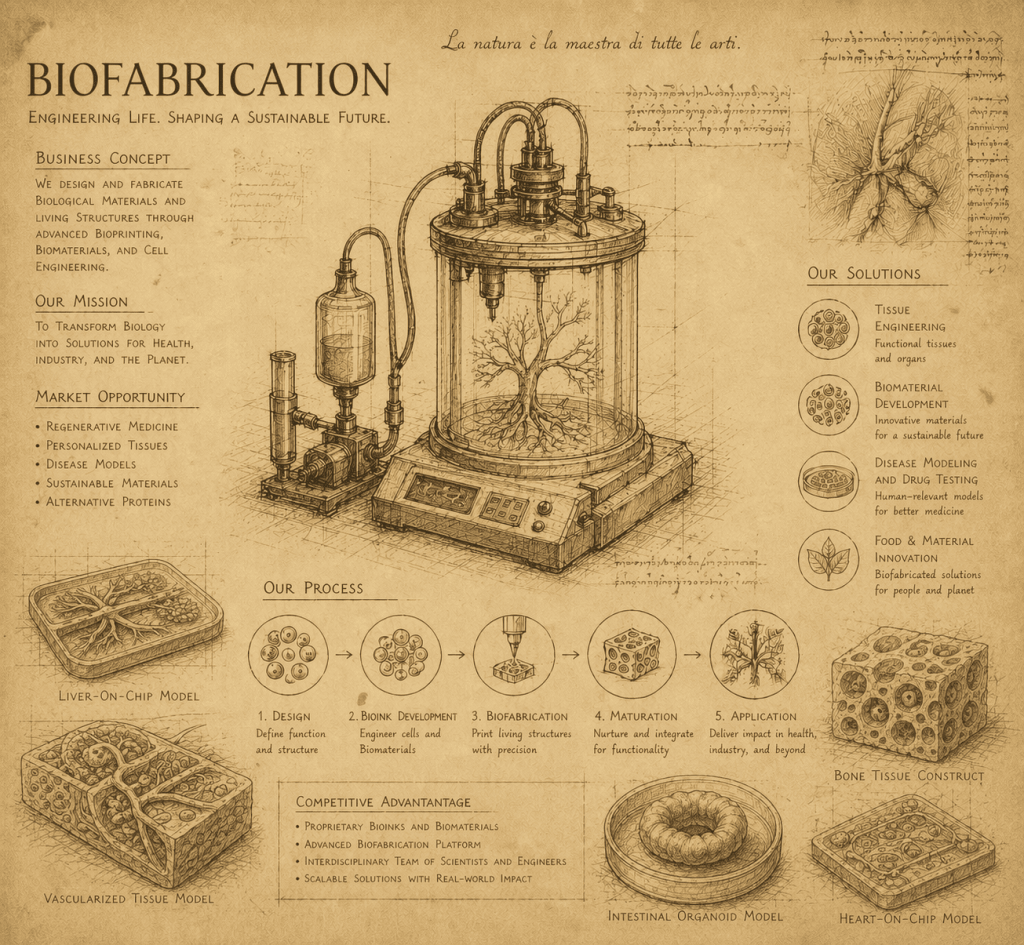
The Organ-on-Chip, Microphysiological Systems Landscape, NAMs: A Business Overview
The Organ-on-Chip, Microfluidics, and New Approach Methodologies space is no longer a niche academic pursuit — it is rapidly becoming a commercial force reshaping how drugs are discovered, toxicology is assessed, and disease is modelled. This article maps the emerging landscape across key segments.
-

Linton Lifesciences Launches Biofabricated NAMs: Rebuilding the Missing Layer Between Biology and Decision-Making
In drug discovery and medical device development, the most expensive failures rarely come from bad ideas, they come from bad models. For decades, the industry has relied on a patchwork of 2D cell cultures, simplified organ-on-chip systems, and animal models to approximate human biology. Each has contributed something. None have fully captured what matters most,…
-

NAMs, New Approach Methodologies for Drug Discovery: What It Means for the Future of Alternatives to Animal Testing and Biofabrication
A landmark review published in Cell by Stanford’s Joseph C. Wu and colleagues maps the rise of New Approach Methodologies, human-centric tools that are beginning to replace animal models in drug discovery, and what this shift means for organoids, bioprinting, and the broader biofabrication sector.
-

Revalia Bio Secures ~$30M Government Contract to Build the Future of Human-First Drug Development
Revalia Bio, a Yale-born startup redefining drug development through real human donor tissue, has secured a landmark ~$30 million U.S. government contract—one of the largest ever awarded to a seed-stage biotechnology company. The announcement marks a turning point not only for Revalia, but for the broader movement away from animal-model drug development and toward human-first…
-

JETT: Connecting Innovators with the Joint Chem Bio Enterprise
The Joint Enterprise Technology Tool (JETT) is reshaping how innovators engage with the U.S. government’s chemical and biological defense community. Designed as a direct bridge between the Joint Program Executive Office for Chemical, Biological, Radiological, and Nuclear Defense (JPEO-CBRND) and industry, JETT makes collaboration faster, clearer, and more impactful. If you’re developing a technology that…
-

NIH Launches Nation’s First Dedicated Organoid Development Center
The National Institutes of Health (NIH) has announced the creation of the nation’s first dedicated organoid development center, marking a pivotal step in reducing reliance on animal models for biomedical research. The new Standardized Organoid Modeling (SOM) Center, located at the Frederick National Laboratory for Cancer Research, will receive $87 million over the next three…
-
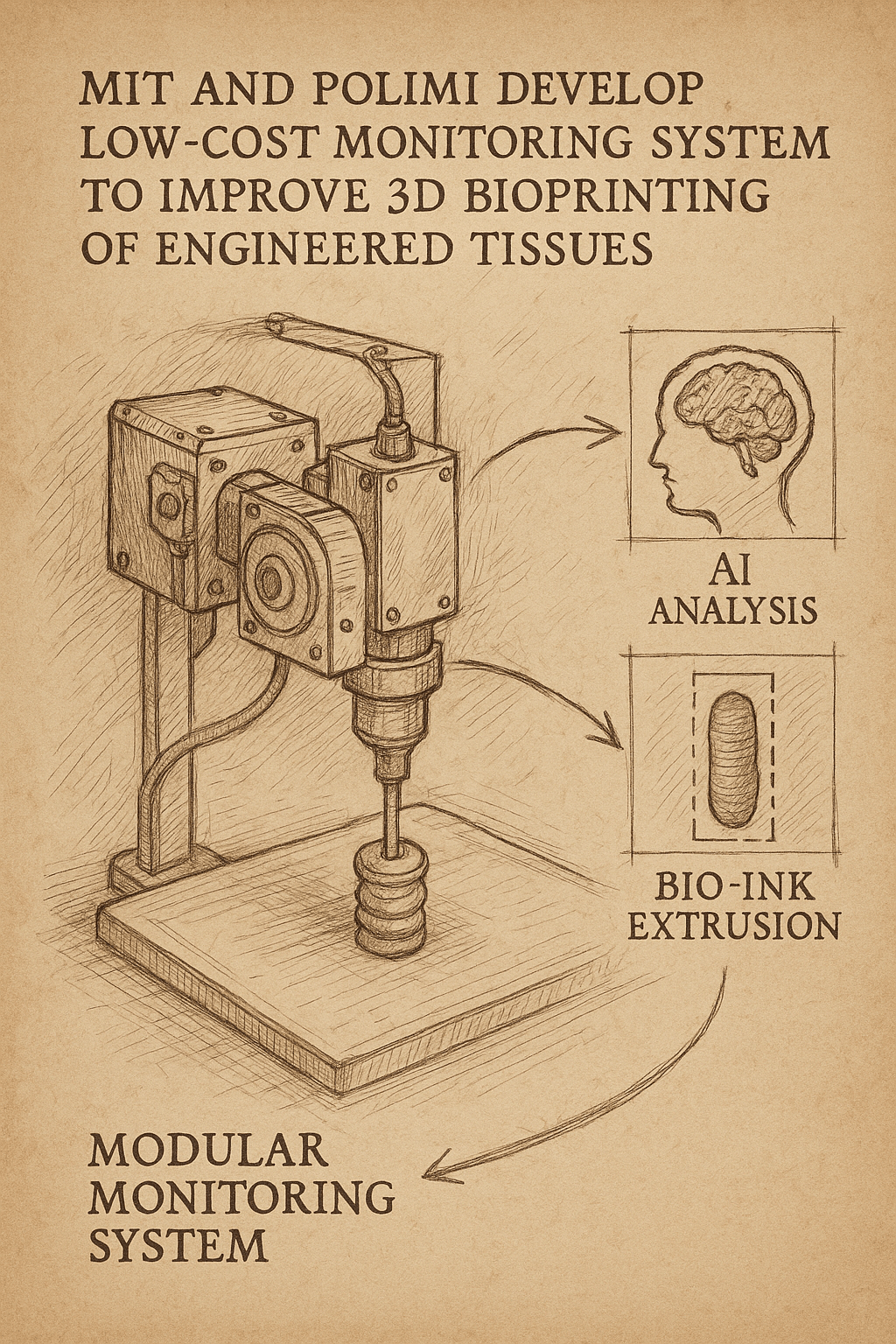
MIT and Polimi Develop Low-Cost AI Monitoring System to Improve 3D Bioprinting of Engineered Tissues
A collaborative research team from the Massachusetts Institute of Technology (MIT) and the Polytechnic University of Milan (Polimi) has introduced a modular, printer-agnostic monitoring platform designed to enhance the quality and efficiency of 3D bioprinting for tissue engineering. This development addresses a longstanding challenge in the field: the lack of integrated process control, which often…
Subscribe
Enter your email below to receive updates.

